AI & Research
AgmoNET
Bird vocalization classification and long-term acoustic activity analysis.
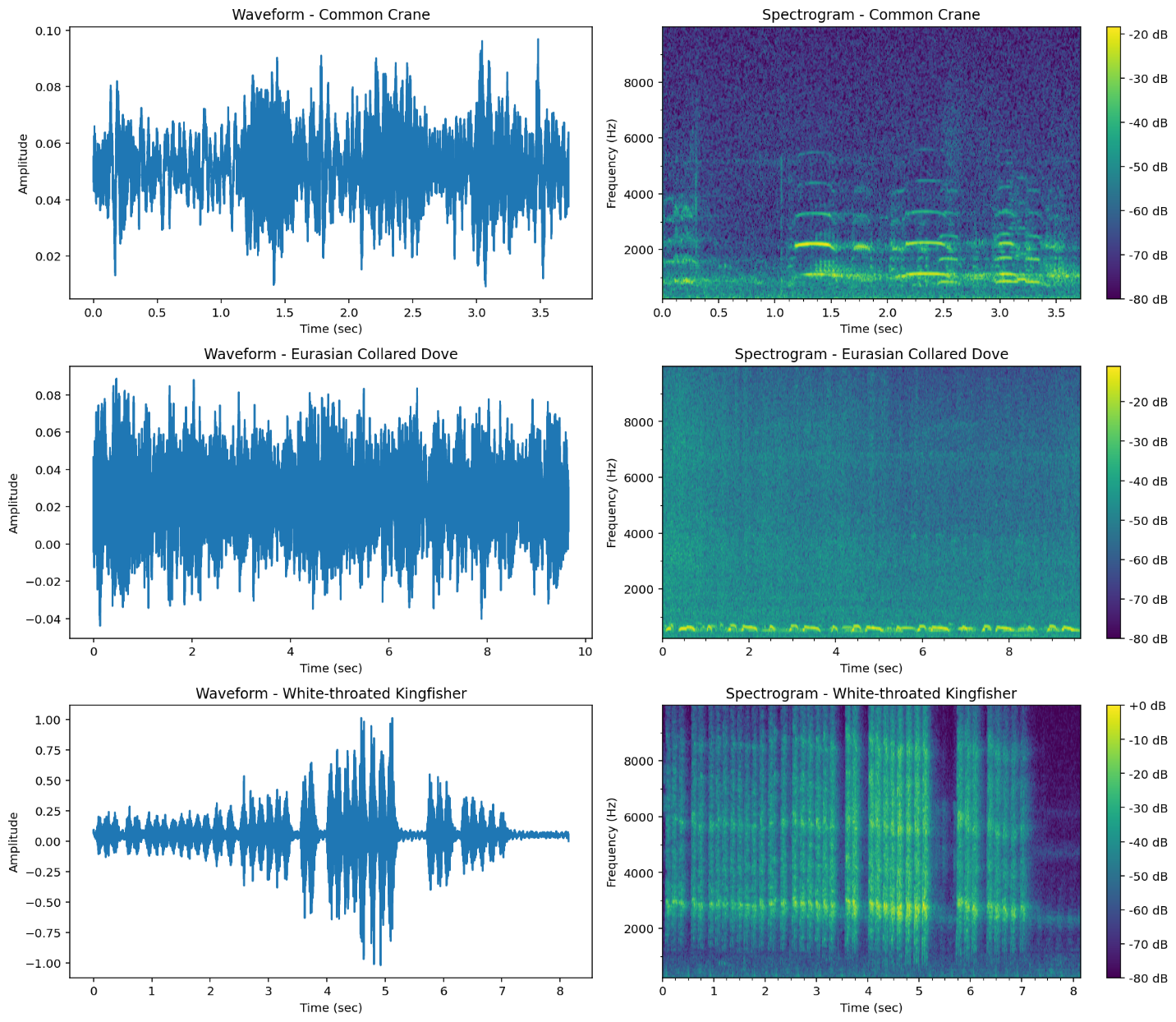
Figure 5 · Different calls, different acoustic signatures.
The Eurasian Collared Dove concentrates its calls at low frequencies, around 500 Hz, while the White-throated Kingfisher produces repeated calls across a broader frequency range. The waveforms and spectrograms reveal differences in timing and frequency structure that help distinguish species, illustrating the acoustic information available to a classifier.
Click a panel to view it at full size.
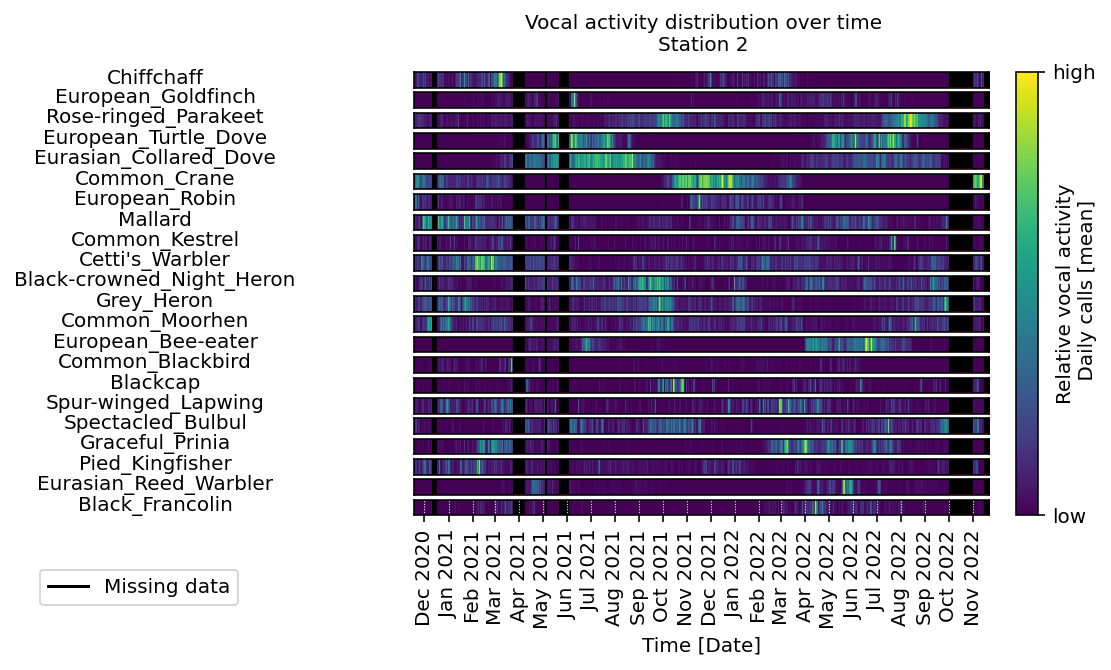
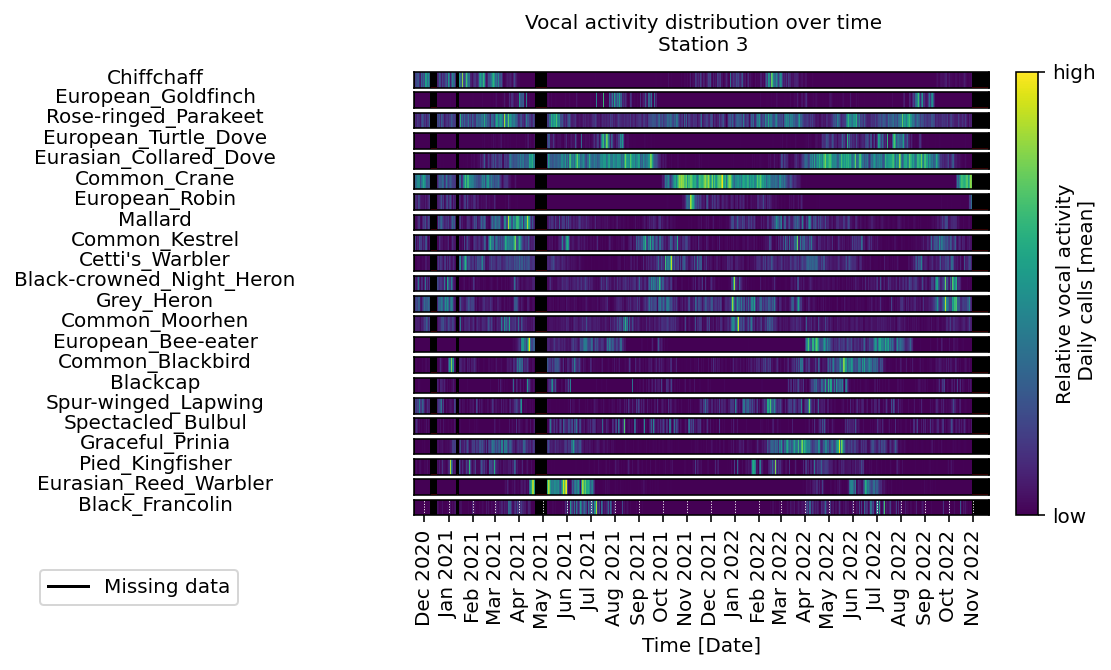
Figure 17 · Seasonal patterns depend on both species and location.
Graceful Prinia, Eurasian Reed Warbler and Eurasian Collared Dove show stronger vocal activity in spring and summer, while Spectacled Bulbul and Rose-ringed Parakeet are active across the year. Parakeet activity is concentrated around September at station 2 but more widely distributed through the year at station 3. The plots also reveal lower Collared Dove activity at station 2 in the 2022 season.
Each species has its own relative colour scale: these plots compare timing within a species, not absolute activity between species. Black marks missing recordings.
Click a panel to view it at full size.
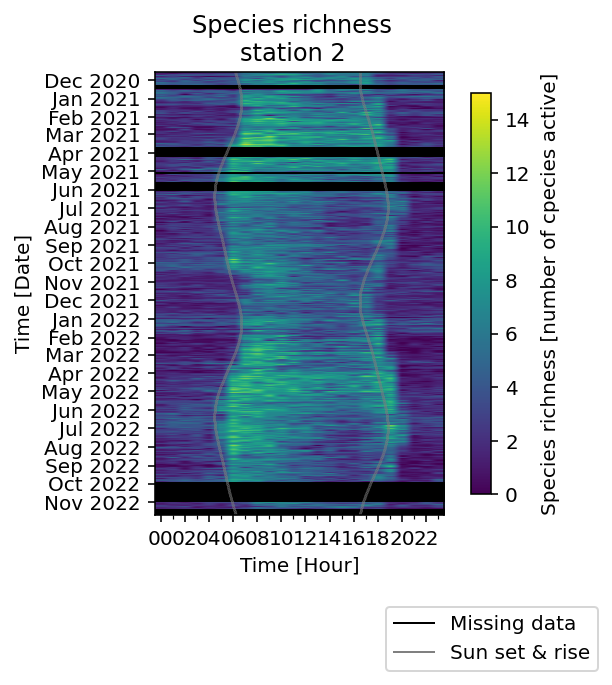
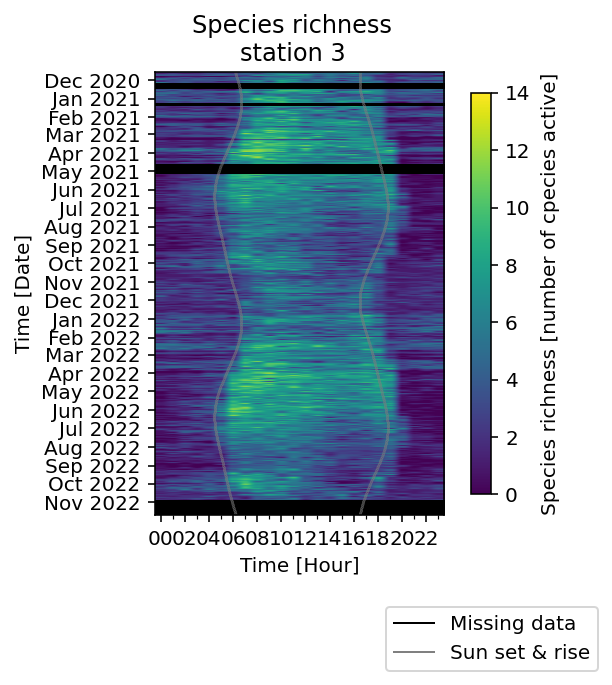
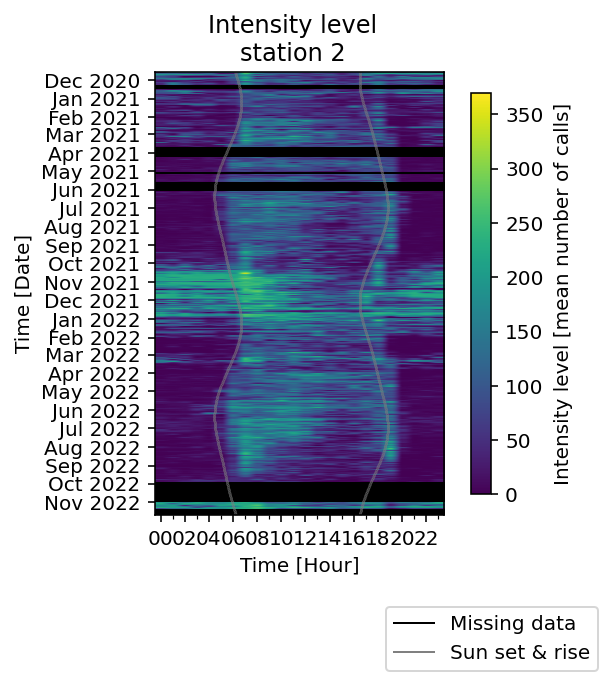
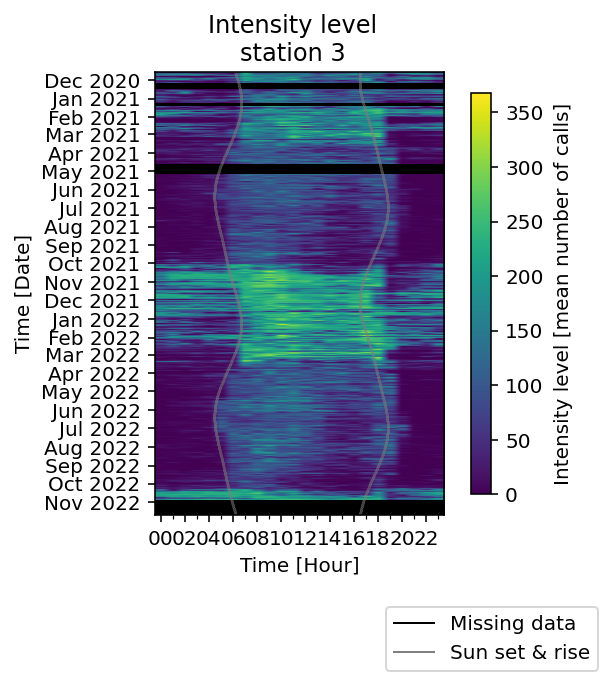
Figure 18 · More species and more calls tell different stories.
Species richness peaks around February–May, while overall vocal intensity is especially high in October–March, with a sharp winter peak coinciding with the presence of cranes. High call activity therefore does not necessarily mean that more species are active.
At both stations, activity generally rises after sunrise, weakens around midday and increases slightly before sunset. Night-time activity is most evident during the crane season. These indices describe model-detected vocal activity, rather than the number of individual birds. Black marks missing recordings; grey curves show sunrise and sunset.
Click a panel to view it at full size.
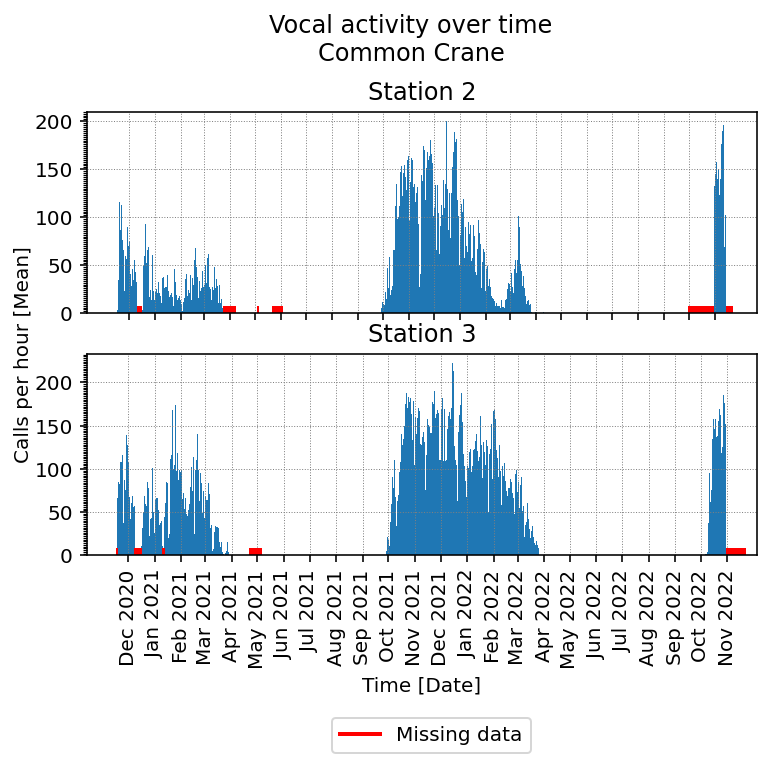
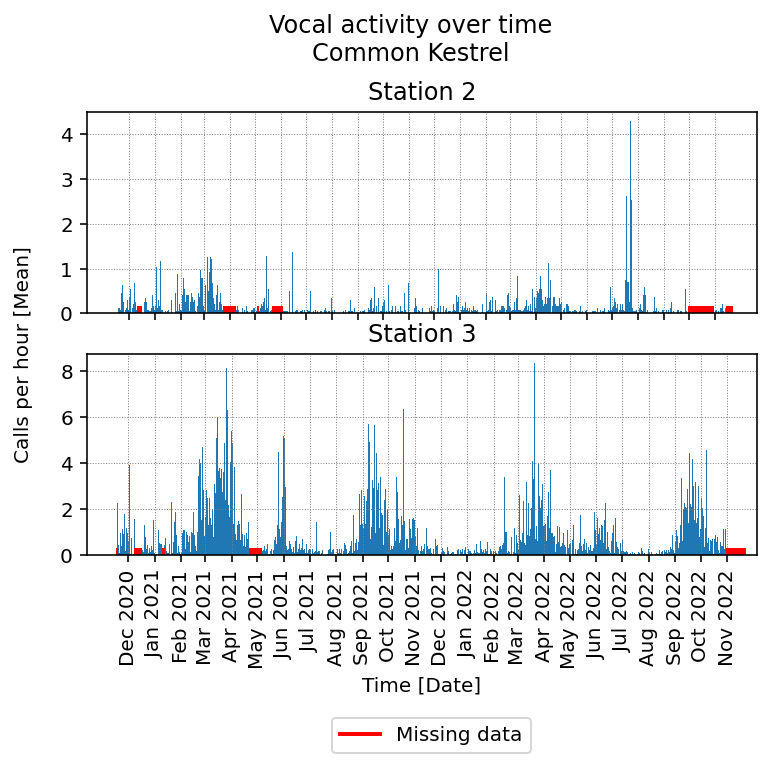
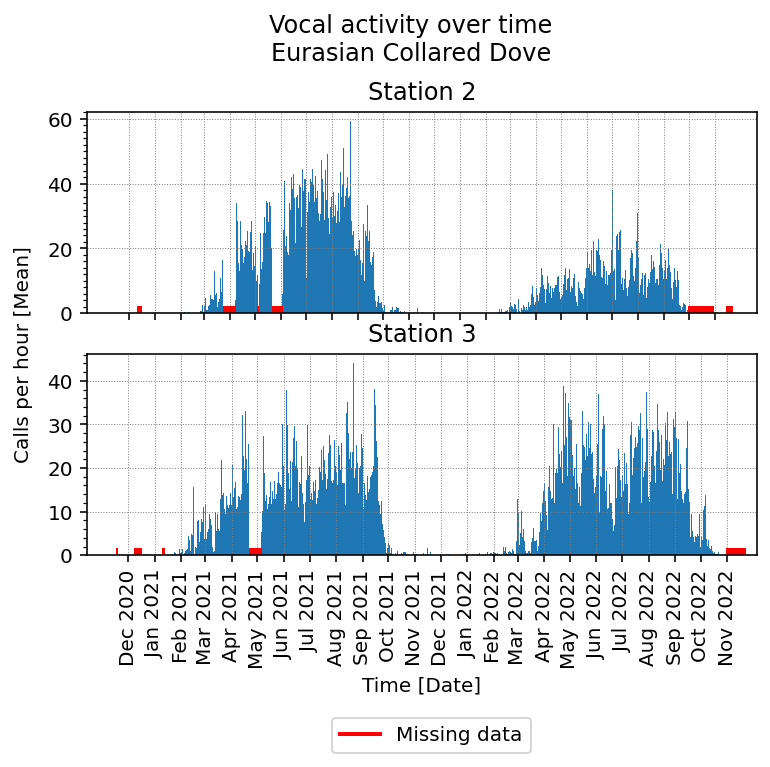
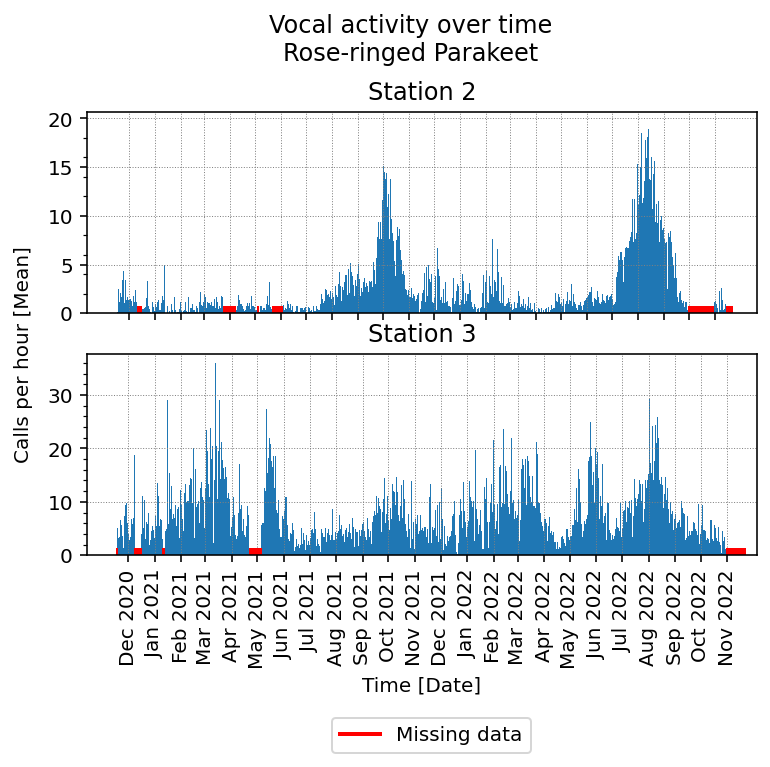
Figure 19 · Recurring seasons, local differences and changes between years.
Common Crane calls show a clear winter season, from October to mid-March, with higher activity in winter 2021 than winter 2020. Common Kestrel calls occur throughout the year without a clear seasonal pattern, but with recurring periods of elevated activity.
Eurasian Collared Dove shows a repeated seasonal pattern, with a decrease in 2022 at station 2 that is not shared by station 3. Rose-ringed Parakeet activity is concentrated into shorter episodes at station 2 and spread more broadly through the year at station 3. Together, these comparisons reveal changes that a single overall average would hide. Red marks missing recordings.
Click a panel to view it at full size.
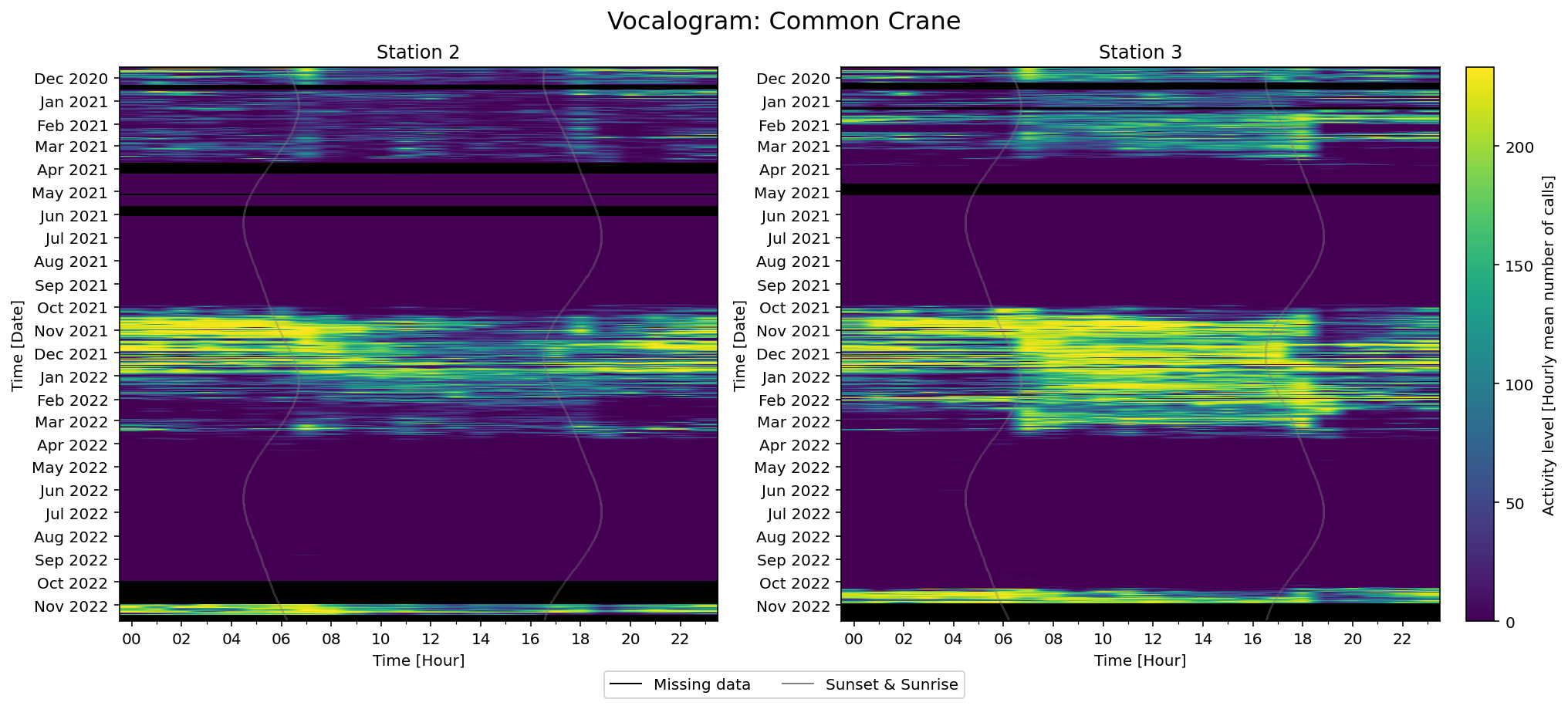
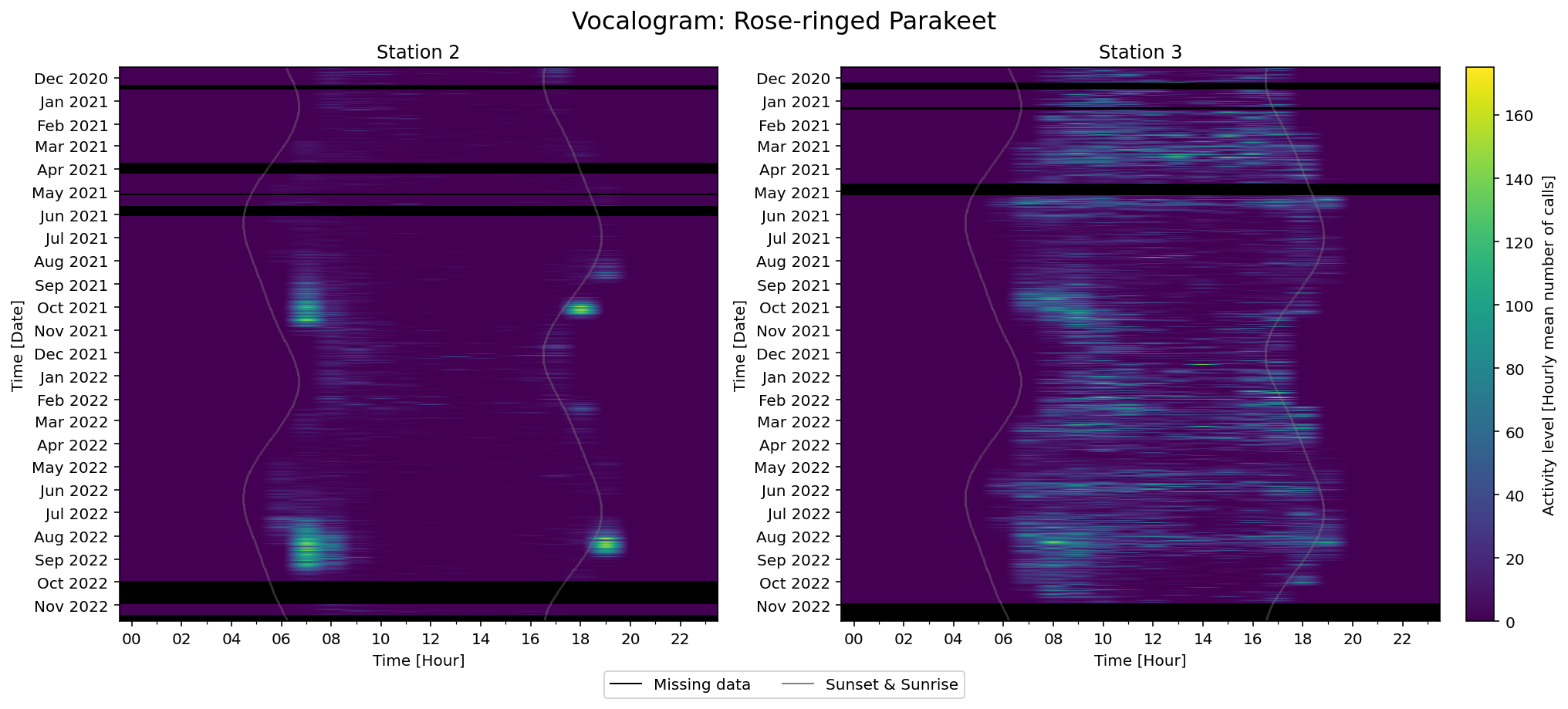
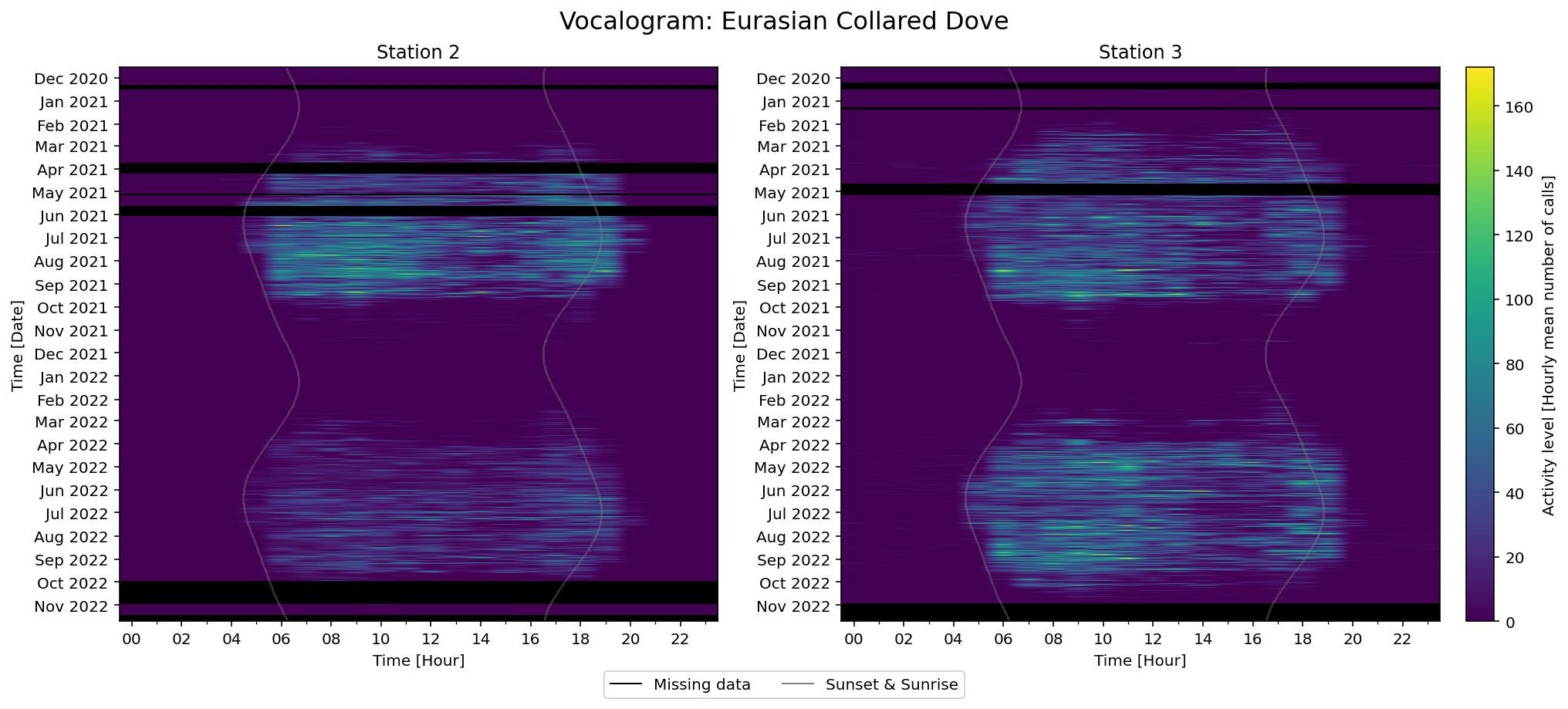
Figure 20 · The same species uses different places at different times.
Common Crane is vocally active in winter, from October to March, across all hours of the day. At station 2, calls concentrate at night and in the first part of the day; at station 3, activity is mainly during daylight. As discussed in the thesis, this is consistent with cranes feeding near station 3 by day and gathering to roost in the water closer to station 2 at night.
Rose-ringed Parakeet activity at station 2 is concentrated near dawn and dusk in late summer and early autumn, whereas station 3 shows activity across a wider part of the year and daylight hours. Eurasian Collared Dove shows a recurring seasonal pattern, with reduced activity at station 2 in 2022. Black marks missing recordings; grey curves show sunrise and sunset.
Click a panel to view it at full size.
Overview
The research question
AgmoNET grew out of my master’s research into the vocal activity of birds at Agamon Hula. I wanted to explore how deep learning could turn large collections of field recordings into a way to study species-specific patterns across locations, seasons and times of day.
The research combined the development and evaluation of a bird-call classifier with long-term acoustic monitoring. Using recordings from two stations over more than two years, I examined when different species were vocally active and how those patterns varied between sites.
Contribution
My role
Research and software development across audio preparation, augmentation, CNN and ResNet models, evaluation, experiments, long-term activity analysis and visualization.
Current state
What exists today
- Research code covers audio segmentation, augmentation, Mel spectrograms, model training and evaluation.
- Activity analysis aggregates predictions by species and station, accounts for missing dates, and aligns activity with sunrise and sunset.
- The codebase is not a packaged application or a public demo; it relies on research-specific data and configuration.
- Classification of isolated calls and detection in overlapping field soundscapes are distinct evaluation problems.
Toolkit
Tools and methods
Next
Where it goes from here
No new development milestone is currently set. Research figures and evaluation context will be added to this project presentation as they are consolidated.